

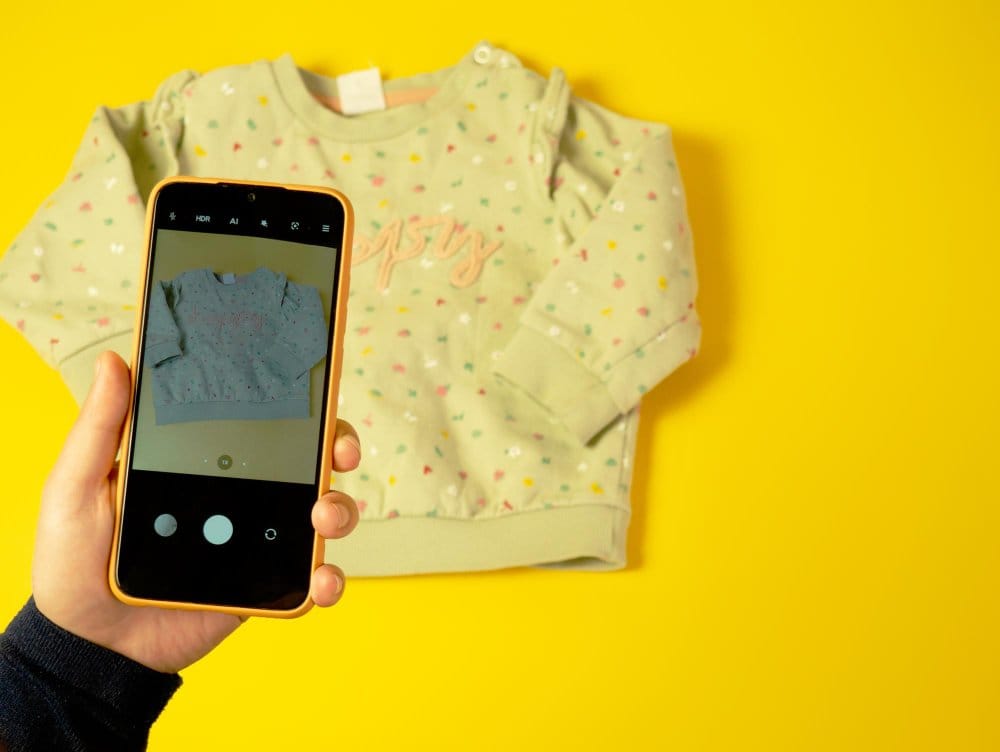
Turn those outgrown onesies into cash with expert strategies, timing tips, and platform comparisons that actually work for busy parents
Last Updated: February 14, 2026
- Quick Answer: Where to Sell Right Now
- Best Online Marketplaces for Selling Toddler Clothes
- Brand Value Guide: Which Clothes Sell Best
- Local Consignment Shops and Stores
- Seasonal Selling Guide: Timing Matters
- How Much Money Can You Actually Make?
- Photography and Listing Tips That Sell
- Platform Fee Comparison: Know What You’ll Pay
- Selling Directly to Friends and Community
- Pricing Strategies That Work
- Shipping, Payment, and Safety Tips
- Tax Implications: What You Need to Know
- Bulk Selling Strategies
- Storage and Organization System
- Scam Prevention and Safety Guide
- Success Stories: Real Parents Share Their Experiences
- Donating Old Toddler Clothes
- Alternatives to Selling
- The Environmental Impact of Reselling
- Your 7-Day Quick Start Action Plan
- Frequently Asked Questions
You just pulled out the 3T winter clothes from storage, and your heart sinks. Half of them still have tags attached. Your toddler shot up two sizes over the summer, and now you’re looking at $200 worth of barely worn jackets, sweaters, and boots that will never be used.
Sound familiar?
Here’s the good news: that pile of outgrown clothes isn’t just clutter. It’s cash waiting to happen. Parents across the US, UK, Canada, and Australia are turning their kids’ outgrown wardrobes into $150 to $300+ per season using smart selling strategies.
This guide shows you exactly how to join them. You’ll learn which platforms pay the most, when to list your items for maximum demand, how to avoid common pitfalls, and yes, even what tax rules apply when you start selling regularly. Whether you’re clearing out toddler clothing essentials your child has outgrown or selling those special occasion outfits worn just once, this guide has you covered.
Quick Answer: Where to Sell Right Now
Not everyone has time to read 10,000 words. If you need a quick answer based on what matters most to you, here’s your cheat sheet:
| Your Priority | Best Platform | Why It Works |
|---|---|---|
| Speed (sell today) | Facebook Marketplace | Local buyers, instant cash, no shipping |
| Convenience (minimal effort) | ThredUp or Once Upon a Child | They handle everything, you just ship or drop off |
| Maximum Profit | eBay or Poshmark | Highest prices for premium brands, direct to buyers |
| Premium Brands | Poshmark or eBay | Buyers actively seeking quality brands |
| Bulk Selling | Mercari or Facebook Groups | Bundle discounts attract fast buyers |
Best Online Marketplaces for Selling Toddler Clothes
Online selling gives you access to thousands of potential buyers, but each platform works differently. Let’s break down your best options and when to use each one.

Selling on eBay
eBay remains one of the largest online marketplaces, with over 182 million active buyers worldwide. What makes it work for toddler clothes? The massive audience and flexible selling options.
How It Works: You create individual listings or bundles, choose between auction-style or fixed price, upload photos, write descriptions, and handle shipping when items sell. eBay charges a fee (typically 12.9% of the final sale price plus $0.30 per order), and payments go through PayPal or directly to your bank.
Best For:
- Designer and premium brand items (Mini Boden, Tea Collection, Janie and Jack)
- Like-new or new-with-tags items
- Special occasion outfits (holiday dresses, formal wear)
- Complete sets or matching outfits
What You’ll Make: Premium brands can sell for 50-70% of retail price if in excellent condition. Expect to net $15-35 per individual item after fees, or $40-80 for bundles.
Facebook Marketplace
Facebook Marketplace has become the go-to platform for quick local sales. With over 1 billion people using it monthly, you’re likely to find buyers in your area within hours.
How It Works: Upload photos from your phone, write a short description, set your price, and choose your location. Most transactions happen in person (meet at a public place), and you receive cash on the spot. No fees unless you opt for Facebook’s shipping service.
Best For:
- Quick sales when you need cash today
- Bulk lots (10+ items bundled by size)
- Mid-tier brands (Carter’s, Old Navy, Gap)
- Larger items (winter coats, snowsuits)
What You’ll Make: Expect to price items 60-80% below retail. Individual pieces typically sell for $2-8, while bundles of 10 items might go for $20-40 depending on brands and condition.
Specialized Kids’ Clothing Apps
Apps focused on children’s clothing connect you with parents specifically shopping for kids’ items, which means more motivated buyers. While some platforms have come and gone, these remain reliable options in 2026.
Poshmark Kids
While Poshmark started as a fashion marketplace for adults, their kids’ section has become a major destination for parents buying and selling children’s clothes. For a detailed comparison, see our guide on Poshmark vs eBay for selling clothes.
How It Works: Create a seller profile, photograph items, set your own prices, and ship when sold using Poshmark’s prepaid labels. When something sells under $15, you pay a $2.95 flat fee. For sales over $15, Poshmark takes 20% commission.
Best For: Premium and boutique brands, trendy items, sneakers, designer kids’ clothing, like-new condition pieces.
What You’ll Make: Premium brands can command good prices. A Mini Boden dress in excellent condition might sell for $22-28 compared to $45 retail.
ThredUp
ThredUp removes all the work but pays significantly less. They send you a “Clean Out Kit” (a large bag), you fill it with clothes, send it back for free, and they handle everything else.
How It Works: Request a kit, pack it with clean, gently used clothes, ship it back (prepaid label included). ThredUp photographs, lists, and sells your items. You get paid once items sell, typically earning 5-15% of the selling price (they keep the rest).
Reality Check: You might send 30 items and make $15-30 total. It’s convenient but not profitable. Use this only if your time is more important than money.
Poshmark
While Poshmark started as a fashion marketplace for adults, their kids’ section has grown substantially. The platform handles shipping with prepaid labels. For a detailed comparison, see our guide on Poshmark vs eBay for selling clothes.
How It Works: List items for free with photos and descriptions. When something sells under $15, you pay a $2.95 flat fee. For sales over $15, Poshmark takes 20% commission.
Best For: Trendy items, sneakers, designer kids’ clothing, like-new condition pieces.
Mercari
Mercari has become increasingly popular for parents selling kids’ stuff. It’s user-friendly, has lower fees than some competitors, and offers flexible shipping options.
How It Works: List items with photos, ship with prepaid labels or offer local pickup. Mercari takes a 10% selling fee plus payment processing (2.9% + $0.30).
Best For: Everyday brands, toys and clothes bundles, quick sales at reasonable prices.
Cross-Listing Technology: Sell on Multiple Platforms at Once
Here’s a strategy most casual sellers don’t know about: cross-listing apps let you post the same item across multiple platforms simultaneously. This can triple your visibility and cut your selling time in half.
How It Works: Instead of manually listing the same dress on eBay, Poshmark, Mercari, and Depop (which could take an hour), cross-listing apps let you create one listing and push it to all platforms in minutes. When something sells, the app automatically removes it from other platforms to prevent double-selling.
Top Cross-Listing Apps for 2026:
| App | Monthly Cost | Platforms Supported | Best Feature |
|---|---|---|---|
| Vendoo | $29.99-$99.99 | 10+ (eBay, Poshmark, Mercari, Facebook, Depop, etc.) | Auto-delist when sold, bulk relist |
| Crosslist | $29.99-$44.99 | 11+ major marketplaces | AI-generated descriptions, photo enhancement |
| PrimeLister | $19.99-$39.99 | Poshmark, Mercari, eBay, Depop | Schedule posts, bulk operations |
| Flyp | $9/month (after 100-day trial) | Poshmark, Mercari, eBay, Depop, Facebook | Budget-friendly, good for beginners |
Brand Value Guide: Which Clothes Sell Best
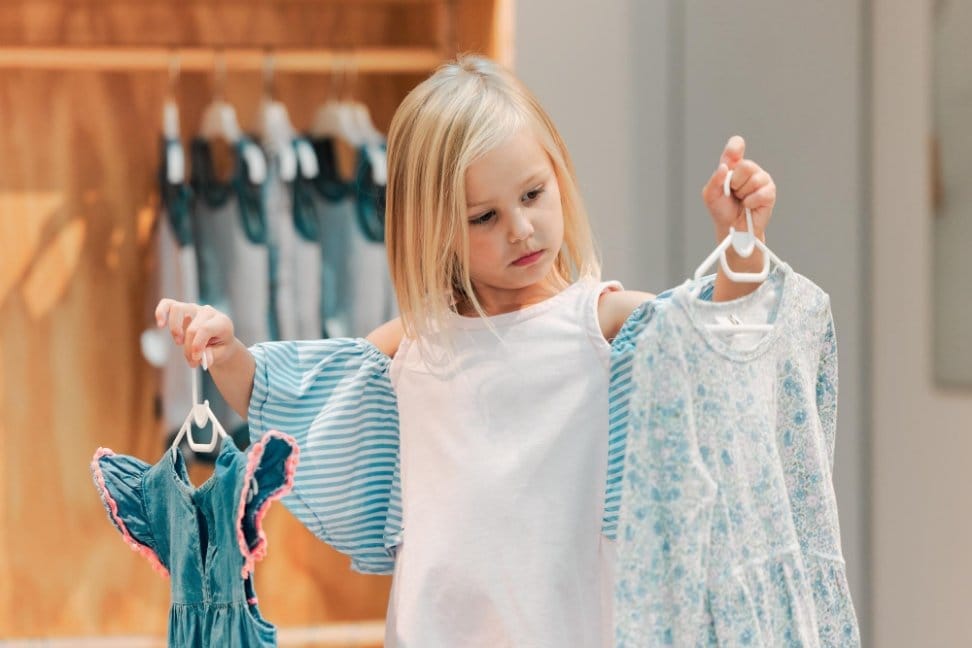 Popular brands and appealing designs usually sell faster
Not all toddler clothes are created equal when it comes to resale value. Understanding which brands hold their worth can save you time and help you price items correctly.
Premium Brands (Highest Resale Value)
These brands typically retain 40-60% of their original retail value when in excellent condition. Learn more about choosing durable clothes for toddlers that hold their resale value:
- Mini Boden – Known for quality construction and unique prints
- Hanna Andersson – Famous for durability and organic fabrics
- Tea Collection – Globally-inspired designs, holds value exceptionally well
- Janie and Jack – Classic styles, premium materials
- Burberry Kids – Designer pieces can resell for 50%+ of retail
- Patagonia Kids – Outdoor gear holds value like adult versions
- Rylee + Cru – Boutique brand with cult following
- Posh Peanut – Premium sleepwear, especially prints
- Little Sleepies – Bamboo pajamas, limited releases sell fast
Want to know more about top brands? Check our guide to the best toddler clothing brands for detailed reviews and quality comparisons.
Mid-Tier Brands (Moderate Resale Value)
These brands typically retain 30-45% of their original value:
- Carter’s/OshKosh B’gosh – Reliable basics, sells best in bundles
- Old Navy – Hit or miss; trendy pieces do better
- Gap Kids – Better resale than Old Navy, especially jeans
- H&M Kids – Fast fashion but some pieces hold up
- Target’s Cat & Jack – Surprising quality for the price point
- Primary – Solid basics in great colors
- Nike Kids – Athletic wear holds value
- Adidas Kids – Sportswear remains popular
Budget Brands (Lower Resale Value)
These brands usually retain only 10-25% of original value. Best sold in bulk lots:
- Walmart brands (Garanimals, Wonder Nation)
- Basic store brands
- Generic Amazon brands
- Fast fashion with heavy wear
Local Consignment Shops and Stores
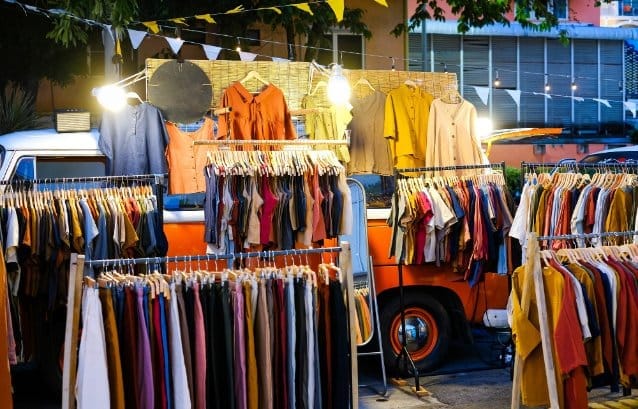 Consignment shops provide in-person options for selling kids’ clothing
If the idea of shipping, photographing, and managing online listings sounds exhausting, local consignment shops might be your answer. You drop off clothes, they sell them, and you get paid a percentage of the sale.
How Consignment Shops Work
The process is straightforward: bring your clean, gently used items to the shop during their buying hours. Staff inspect each piece for quality, brand, and seasonal appropriateness. They accept what fits their current needs and return the rest to you.
Payment Structure: Most shops offer 30-50% of the selling price. Some pay cash, others offer store credit (usually at a higher percentage, like 40-60%). Payment comes after your items sell, which could be days or months depending on the item.
Major Consignment Chains
Once Upon a Child
With over 400 locations across North America, Once Upon a Child is the largest kids’ consignment chain. They buy items outright (you get paid immediately) rather than true consignment.
What They Pay: Typically 30-40% of what they’ll price items at in the store. A dress they’ll sell for $10 might earn you $3-4 cash or $4-5 in store credit.
Pros: Instant payment, no waiting for items to sell, locations everywhere.
Cons: Lower payout than selling directly, they’re selective about what they accept.
Children’s Orchard
Similar to Once Upon a Child but often preferred by sellers for slightly better payouts. They tend to accept more premium brands.
Kid to Kid
Another national chain with a similar model. They offer 20% more if you take store credit instead of cash.
Finding Local Independent Shops
Independent consignment shops often pay better percentages (40-50%) but may be more selective. Search online for “children’s consignment near me” or check local parenting Facebook groups for recommendations.
Seasonal Selling Guide: Timing Matters
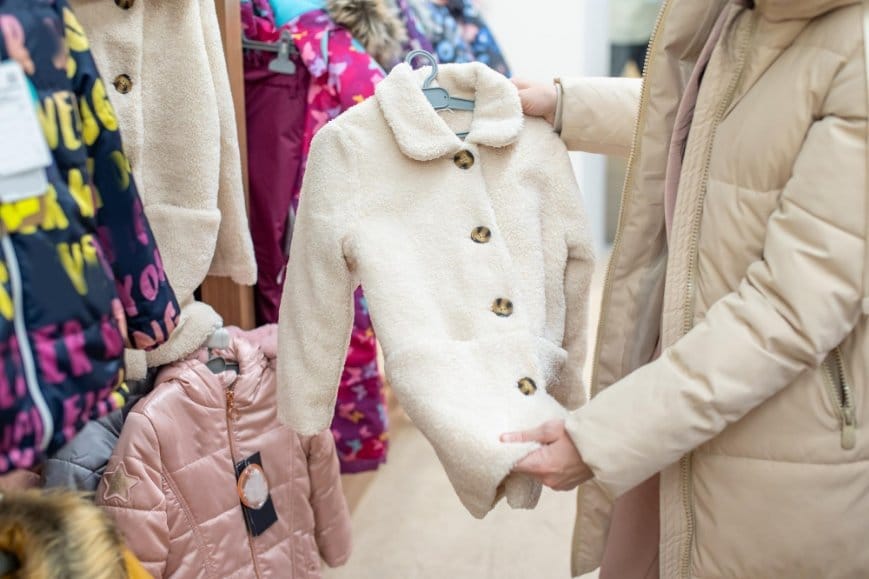 Timing listings around seasons can increase demand
You know how stores start selling winter coats in August? They’re not crazy. They understand that buyers shop ahead of the season. Apply the same strategy to your resale listings.
Spring (February-April)
Best Items to Sell:
- Easter outfits and dressy spring clothes
- Light jackets and cardigans
- Rain boots and raincoats
- Spring dresses
- Swimwear (start listing in March)
When to List: Start listing 4-6 weeks before the season begins. Put Easter outfits up in late January through February. Swimwear should hit platforms by early March as families plan spring break trips.
Summer (May-July)
Best Items to Sell:
- Shorts and t-shirts
- Sandals and water shoes
- Swimwear and rash guards
- Summer dresses and rompers
- Sun hats
When to List: April through June is prime time. Parents are desperate for summer clothes as temperatures rise.
Back-to-School (July-September)
Best Items to Sell:
- Play clothes (jeans, leggings, t-shirts)
- Comfortable shoes
- Light jackets
- Classroom-appropriate outfits
When to List: Mid-July through August is peak back-to-school shopping. Many consignment shops do major buying pushes in July for fall inventory.
Fall (September-November)
Best Items to Sell:
- Sweaters and long-sleeve shirts
- Jeans and pants
- Light jackets
- Boots
- Halloween costumes (start in late August)
When to List: August through October. Halloween costumes can sell for premium prices in September (parents plan ahead).
Winter (November-January)
Best Items to Sell:
- Heavy winter coats
- Snow boots and winter boots
- Holiday outfits
- Warm pajamas
- Gloves, hats, scarves
When to List: October through December. Brand-name winter coats and snow gear command the highest prices of the entire year during this window.
How Much Money Can You Actually Make?
 Earnings from resale depend on demand, condition, and pricing
Let’s get real about numbers. The internet is full of vague claims about “making extra money,” but what does that actually mean? Here’s what you can realistically expect based on what you’re selling and how you sell it.
Realistic Earnings by Brand Tier
| Brand Tier | Individual Item | Bundle (10 items) | Seasonal Cleanout |
|---|---|---|---|
| Premium Brands (Mini Boden, Hanna Andersson, Tea Collection) | $15-35 each | $80-150 | $150-300+ |
| Mid-Tier Brands (Carter’s, Gap, Old Navy) | $5-12 each | $30-60 | $75-150 |
| Budget Brands (Walmart, generic) | $2-5 each | $15-30 | $25-50 |
Real Case Study: How One Mom Made $2,353 in 3 Months
One parent documented selling 233 items over a three-month period on Facebook Buy/Sell/Trade groups. Her strategy included photographing everything, creating detailed spreadsheets, and pricing strategically. Total earnings: $2,353.
The breakdown:
- 57 different buyers purchased items
- Average transaction: $41 per buyer
- Time invested: Approximately 15 hours total (photography, listing, responding, packaging)
- Hourly rate: $157 per hour
If she’d used ThredUp instead: She estimates she would have made $300-400 total for the same items. The difference? She invested time for significantly higher returns.
Platform-Specific Earnings
| Platform | 30 Items (Mixed Brands) | Time Investment | Net After Fees |
|---|---|---|---|
| ThredUp | $15-30 | 1 hour (packing) | $15-30 |
| Once Upon a Child | $40-75 | 2 hours (sorting, driving) | $40-75 |
| Facebook Marketplace | $80-150 | 4-6 hours (photos, meetings) | $80-150 |
| eBay/Poshmark | $120-200 | 6-8 hours (listing, shipping) | $95-165 (after fees) |
Use this formula to estimate what you could make:
Step 1: Count your items by brand tier
Step 2: Multiply each tier by average selling price:
• Premium brands: Number of items × $25
• Mid-tier brands: Number of items × $8
• Budget brands: Number of items × $3
Step 3: Subtract platform fees (10-20% for most platforms)
Example: 10 premium + 20 mid-tier + 15 budget items
= (10 × $25) + (20 × $8) + (15 × $3)
= $250 + $160 + $45
= $455 gross
− 15% fees = $387 net
Photography and Listing Tips That Sell
 Checking images carefully can help increase buyer interest and price
Photos sell clothes. Period. A blurry photo of a crumpled shirt will sit unsold for months. A clear, well-lit photo of the same shirt neatly displayed can sell within hours.
Phone Photography Setup
You don’t need a fancy camera. Your smartphone is perfect. Here’s how to use it properly:
Lighting: Natural light wins every time. Place items near a window (not in direct sunlight, which creates harsh shadows). Overcast days provide perfect diffused light. If shooting at night, use your brightest room lights or invest in a $20 ring light from Amazon.
Background: Keep it simple and clean. White or light gray works best. Use a white sheet, poster board, or even your kitchen counter if it’s neutral colored. Busy backgrounds distract from the item.
Styling Techniques:
- Flat Lay: Lay clothes flat on your background. Smooth out wrinkles, arrange sleeves nicely, show the full garment. This is fastest for bulk selling.
- Hanging Method: Hang items on a hanger against a plain wall. Great for dresses, jackets, and outfits.
- Model Shots: If you have patience and a cooperative toddler, photos of the item being worn can sell faster. But these take significantly more time.
What to Photograph
Required Photos:
- Full garment: Show the entire piece, front and back
- Tag/label: Buyers want to see brand and size confirmation
- Any flaws: Stains, holes, or wear (honesty prevents returns)
- Special details: Buttons, patterns, embroidery
Writing Descriptions That Convert
Your description should answer every question a buyer might have without being a novel.
Essential Information:
- Brand name
- Size (include measurement if brand runs small/large)
- Condition (be specific: “excellent,” “good,” “fair”)
- Material/fabric type
- Any flaws (even tiny ones)
- Smoke-free/pet-free home (if applicable)
Example of a High-Converting Listing:
Description: Beautiful purple floral dress from Hanna Andersson in size 100 (fits like US 4T). Excellent condition with no stains, holes, or fading. Worn only a few times for special occasions. 100% organic cotton, machine washable. From smoke-free, pet-free home. Perfect for spring or summer events, or layer with leggings for cooler weather. Measurements: chest 12″, length 22″ from shoulder.
Photo Editing Apps (Free Options)
- Snapseed (iOS/Android): Adjust brightness, contrast, and straighten photos
- Background Eraser (iOS/Android): Remove cluttered backgrounds
- Canva (iOS/Android/Web): Add measurements or text to photos if needed
Platform Fee Comparison: Know What You’ll Pay
Fees can eat into your profits significantly if you’re not careful. Here’s exactly what each major platform charges so you can price accordingly.
| Platform | Listing Fee | Selling Fee | Payment Processing | Total Cost (Example $20 Sale) |
|---|---|---|---|---|
| eBay | $0 (first 50 items/month) | 12.9% + $0.30 | Included | $2.88 (you net $17.12) |
| Poshmark | $0 | 20% (sales over $15) $2.95 flat (under $15) | Included | $4.00 (you net $16.00) |
| Mercari | $0 | 10% | 2.9% + $0.30 | $2.88 (you net $17.12) |
| Facebook Marketplace | $0 | $0 (local sales) 5% (shipping sales) | Varies by payment | $0-1.00 (you net $19-20) |
| Depop | $0 | 10% | 2.9% + $0.30 | $2.88 (you net $17.12) |
| Vinted | $0 | $0 (buyer pays fees) | $0 | $0 (you net $20) |
Hidden Costs to Consider:
- Shipping supplies: Poly mailers cost $0.10-0.30 each, boxes $0.50-2.00
- Shipping labels: If not provided by platform, USPS First Class runs $3.50-$5.50
- Cross-listing apps: $9-45/month if you choose to use them
- Thermal printer: One-time cost of $80-150 (saves massive time)
Selling Directly to Friends and Community
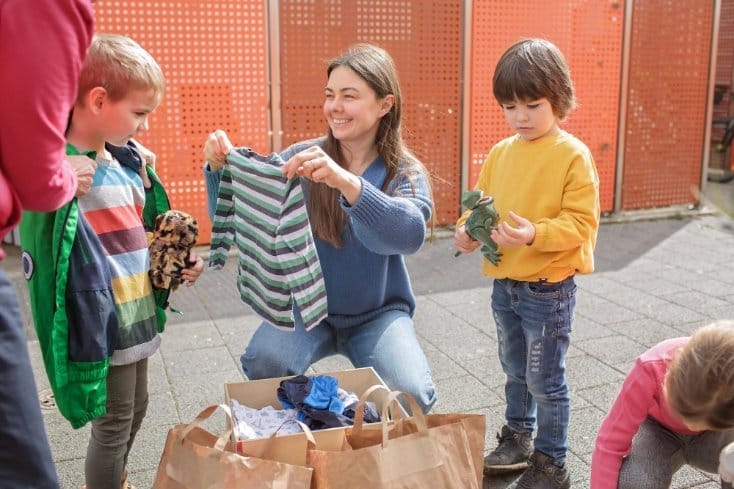 Community exchanges can be simple and personal
Sometimes the easiest sales happen in your own backyard. Selling to people you know (or people in your local community) eliminates shipping, reduces no-shows, and builds relationships.
Word of Mouth Sales
Start with the obvious: post on your personal Facebook, Instagram, or send a text to your parent friends. “Hey, cleaning out 3T clothes – anyone interested before I list them online?”
You’d be surprised how many immediate takers you’ll get. Parents with kids slightly younger than yours are your goldmine.
Local Facebook Groups
Beyond Marketplace, search for local mom groups, neighborhood groups, or “Buy Nothing” groups in your area. These communities are specifically designed for local exchanges.
Popular Group Types:
- City/neighborhood moms groups
- “Buy Nothing” groups (organized by neighborhood)
- Local kids’ clothing swaps
- School or daycare parent groups
Organizing a Clothing Swap
Host a casual clothing swap at your home or a local park. Each parent brings items their kids outgrew, everyone browses and takes what they need. No money changes hands.
How to Run One:
- Set a date and invite 5-10 parent friends
- Ask everyone to bring 10-20 items sorted by size
- Lay everything out on tables or blankets by size
- Let people take what works for their kids
- Donate leftover items together
Pricing Strategies That Work
 Smart pricing balances competitiveness with profit
Price too high, and items sit unsold. Price too low, and you leave money on the table. Here’s how to find the sweet spot.
The Basic Formula
| Condition | Percentage of Retail | Example ($30 Retail) |
|---|---|---|
| New With Tags (NWT) | 50-70% | $15-21 |
| Like New (worn 1-2 times, perfect condition) | 40-60% | $12-18 |
| Gently Used (worn several times, no visible wear) | 30-50% | $9-15 |
| Good Condition (clear signs of wear but no damage) | 20-35% | $6-10 |
| Fair/Well Loved (visible wear, minor flaws) | 10-25% | $3-7 |
Platform-Specific Pricing
Premium Platforms (Kidizen, Poshmark): You can price at the higher end of ranges. Buyers here specifically seek quality and expect to pay more.
Mainstream Platforms (Mercari, eBay): Price mid-range. These buyers want deals but also quality.
Local Platforms (Facebook Marketplace): Price at the lower end. Local buyers expect bargains and compare your prices to yard sale finds.
Competitive Pricing Research
Before listing, search for identical or similar items on your chosen platform. Look at completed/sold listings, not just current listings (which might be overpriced and not selling).
On eBay: Use the “Sold Items” filter to see what things actually sold for, not just what people hoped to get.
On Poshmark/Mercari: Search the brand and item type, then sort by “Recently Sold” to see real market prices.
Bundle Pricing Strategy
Bundles sell faster but require strategic pricing:
Individual vs. Bundle Math:
- If 10 items would sell individually for $8 each = $80 total
- As a bundle, price at 60-75% of individual total = $48-60
- Buyers perceive value, you move inventory faster
Smart Bundling:
- Same size, same season
- Coordinating colors or themes
- Mix 1-2 premium pieces with mid-tier items
- Include at least one “wow” piece to justify bundle price
Shipping, Payment, and Safety Tips
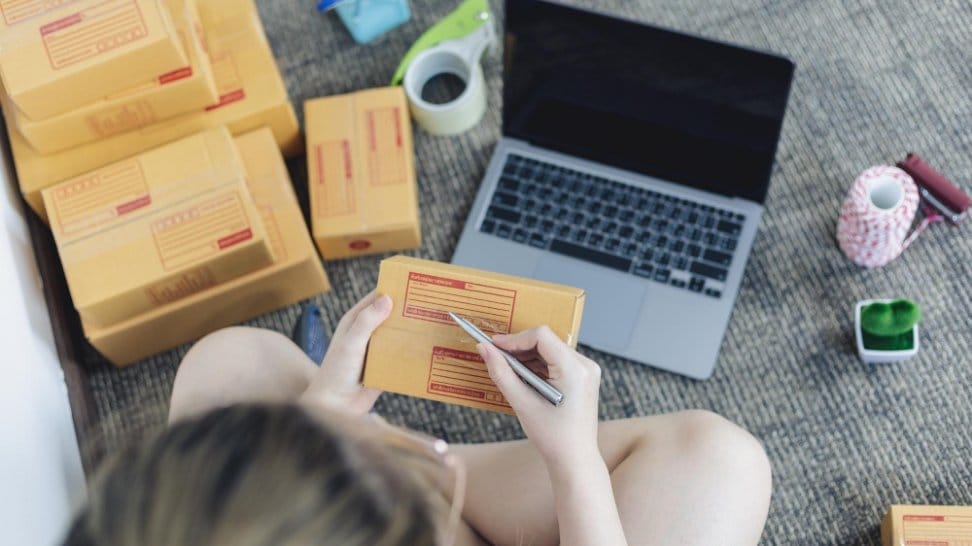 Organized packaging and clear records help ensure smooth transactions
Smart shipping strategies can save you money and time. Getting this right prevents headaches and protects your profits.
Shipping Options and Costs
USPS First Class Mail: Your go-to for single items under 16 oz (1 pound). Cost: $3.50-$5.50 depending on distance and exact weight.
USPS Priority Mail Flat Rate: Perfect for multiple items or heavier pieces. Small Flat Rate Box fits surprisingly much (shoes, folded jeans, several shirts) for one flat price nationwide ($9.35 for small, $16.20 for medium as of 2026).
Platform-Provided Labels: Poshmark, Mercari, Kidizen, and others provide prepaid labels. Just print and stick. These are usually cheaper than buying postage yourself.
Packaging Supplies
| Supply | Best For | Cost | Where to Buy |
|---|---|---|---|
| Poly Mailers | Most clothing items | $0.10-0.30 each | Amazon (bulk packs) |
| Flat Rate Boxes | Multiple items, shoes | FREE (from USPS) | Post office or order online |
| Tissue Paper | Nice touch for premium items | $0.05-0.10 per sheet | Dollar stores, Amazon |
| Thank You Cards | Building repeat buyers | $0.10-0.25 each | Vistaprint, Amazon |
Packaging Process
- Fold neatly: Nobody wants wrinkled clothes to arrive
- Place in clear plastic bag: Protects from rain/moisture during transit
- Add tissue paper (optional but nice touch for premium items)
- Include thank you note (encourages positive reviews)
- Seal in poly mailer or box
- Affix label
Safe Payment Methods
| Payment Method | Buyer Protection | Seller Protection | Fees |
|---|---|---|---|
| PayPal Goods & Services | Yes | Yes (with tracking) | 2.9% + $0.30 |
| Venmo Purchase Protection | Yes | Limited | 1.9% + $0.10 |
| Platform Payments (Poshmark, Mercari, etc.) | Yes | Yes | Included in selling fees |
| Cash (in-person) | No | No | None |
| PayPal Friends & Family | NO – AVOID | NO – AVOID | None |
Safety for Local Sales
Safe Meeting Spots:
- Police station parking lots (many have designated exchange zones)
- Bank parking lots during business hours
- Busy coffee shop parking lots
- Shopping center parking lots with security
Safety Rules:
- Never give out your home address
- Meet during daylight hours
- Bring someone with you if possible
- Keep your car doors locked until buyer arrives
- Trust your instincts – if something feels off, cancel
Tax Implications: What You Need to Know
 Understanding records and deductions helps during tax season
Most parents don’t think about taxes when selling old kids’ clothes. But if you’re doing this regularly and making decent money, you need to understand the rules.
The $600 Threshold (2026 Update)
As of 2026, payment platforms must report transactions to the IRS if you receive over $600 in gross payments during the year. This applies to PayPal, Venmo, CashApp, Mercari, Poshmark, and similar services. Learn more about tax implications for resellers from TurboTax.
What This Means: If you make $600+ selling clothes online, you’ll receive a Form 1099-K. The IRS also gets a copy, so they know about this income.
Hobby vs. Business Selling
Casual/Hobby Selling (Most Parents): If you’re selling your own child’s used clothes for less than you paid, you’re not making a profit. You’re recovering a portion of your original cost. This is generally NOT taxable income.
Example: You bought a Hanna Andersson dress for $40, your daughter wore it 10 times, you sold it for $20. You didn’t make money – you lost $20. Not taxable.
Business Selling: If you’re buying clothes specifically to resell them (thrift store flipping), or you’re selling so much that it’s clearly a business operation, the IRS may consider it self-employment income. This means:
- Income taxes on profits
- Self-employment taxes (Social Security and Medicare)
- Ability to deduct business expenses
Record Keeping
Even if you’re sure it’s not taxable, keep records to prove it:
- What you originally paid for items (receipts, credit card statements)
- What you sold them for (download sales reports from platforms)
- Any selling expenses (shipping supplies, fees, mileage to consignment shops)
Simple Spreadsheet Example:
| Item | Original Cost | Sold For | Fees | Profit/Loss |
|---|---|---|---|---|
| Mini Boden Dress | $45 | $28 | $4 | -$21 (loss) |
| Gap Jeans | $30 | $12 | $2 | -$20 (loss) |
| Carter’s Bundle (10 items) | $80 | $35 | $0 | -$45 (loss) |
| Total | $155 | $75 | $6 | -$86 (overall loss) |
When to Consult a Tax Professional
Talk to a tax professional if:
- You’re making actual profit (selling for more than you paid)
- You’re buying items to resell (not just your kids’ stuff)
- You’re earning $5,000+ annually from reselling
- You’re treating this as a business with inventory, marketing, etc.
Bulk Selling Strategies
 Grouping similar sizes and seasons can speed up bulk sales
Sometimes you don’t want to mess with selling individual items. Bulk selling moves inventory fast and reduces time investment.
When to Bundle vs. Sell Individually
Sell Individually When:
- Items are premium brands (Mini Boden, Hanna Andersson, Tea Collection)
- New with tags or like-new condition
- Special occasion wear (holiday outfits, fancy dresses)
- Designer pieces or limited editions
- You have time and want maximum profit
Bundle When:
- Items are mid-tier brands (Carter’s, Old Navy, Gap)
- You have multiples of the same size
- Items show normal wear
- You want to sell everything quickly
- Time is more precious than maximum profit
How to Create Bundles That Sell
Size-Based Bundles: “3T Girls Summer Clothes – 12 pieces” works because buyers know exactly what fits their kid.
Theme-Based Bundles: Group items by theme (dinosaurs, unicorns, sports) or color scheme (all pink, all neutrals). These appeal to parents who like coordinated wardrobes.
Season-Based Bundles: “2T Winter Clothes Lot” or “4T Summer Shorts and T-shirts Bundle”
The Premium + Basics Mix: Include 1-2 name-brand pieces with several basic items. The premium piece justifies a higher bundle price.
Mystery Bundles and Grab Bags
Some sellers have success with mystery bundles: “5T Girls Mystery Box – 10 Items – Summer” for a flat price. Buyers gamble on getting good stuff.
How to Do It Right:
- Be honest about general condition (all items good condition or better)
- Specify exact number of items and size
- Price lower than individual equivalent would cost
- Include at least one “wow” piece to build positive reviews
Storage and Organization System
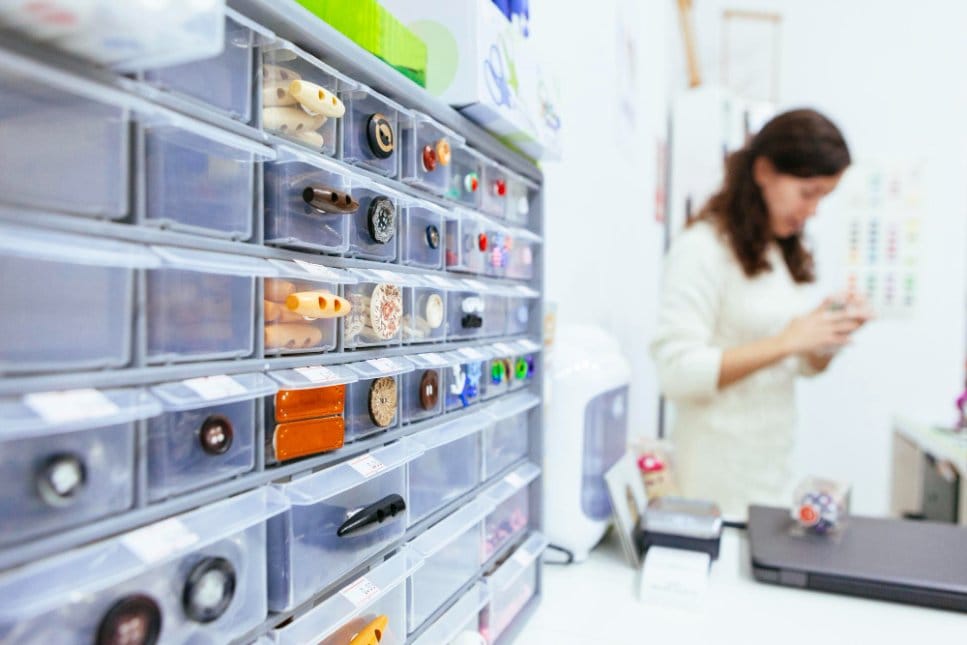 Good organization saves time and prevents lost items
Smart storage and organization make selling easier when the time comes. Instead of scrambling to find items or forgetting what you have, a simple system saves hours.
Setting Up Your Storage System
Clear Storage Bins: Use clear plastic bins so you can see contents without opening. Label each with size and season (example: “3T Winter” or “2T Spring/Summer”).
Where to Store:
- Under beds (perfect for flat bins)
- Closet shelves (stack by size, oldest on top for easy access)
- Garage or basement (climate-controlled areas only to prevent mildew)
- Guest room closet
Organizing Clothes as Kids Outgrow Them
Don’t wait until bins overflow. Create a simple routine. For tips on keeping your current wardrobe organized, see our guide on how to fold and organize toddler clothes in drawers:
- Weekly Quick Check: When doing laundry, pull items that don’t fit anymore
- Sort Immediately: Toss in wash, then into appropriate storage bin (keep bins accessible)
- Seasonal Swap: When seasons change, do a full closet audit
- Quarterly Sell Cycle: Every 3 months, photograph and list accumulated items
Inventory Tracking
For serious sellers, tracking inventory prevents “I know I had that somewhere” moments.
Simple Spreadsheet Method:
| Item | Brand | Size | Season | Condition | Original Cost | Estimated Value |
|---|---|---|---|---|---|---|
| Winter Coat | Patagonia | 3T | Winter | Excellent | $85 | $45-50 |
| Dress | Mini Boden | 4T | Spring | Like New | $42 | $22-28 |
| Jeans (5 pairs) | Gap | 2T | All Season | Good | $90 | $25-30 bundle |
This takes 5 minutes per bin when you first set it up, then just add new items as they’re outgrown. When selling time comes, you know exactly what you have and what it’s worth.
Photo Staging Area
Set up one permanent spot in your home for photos:
- Near window: Natural light is best
- Plain backdrop: White sheet hung on wall or spread on floor
- Small table or floor space: For laying items flat
- Hanger rack: If you prefer hanging photos
Having this ready means you can photograph items anytime without setup hassle.
Scam Prevention and Safety Guide
 Staying alert protects sellers from fraud
While most transactions go smoothly, scammers exist. Protect yourself by recognizing red flags and following best practices.
Common Scams
The Overpayment Scam
How it works: Buyer sends a check or money order for more than the item costs, asks you to refund the difference. Their payment bounces, you’re out the money.
Red flags: Check or money order (not normal for online sales), overpayment, urgency to ship before payment clears.
Protection: Never accept checks or money orders for online sales. Use platform payments or PayPal Goods & Services only.
The Fake Payment Notification
How it works: Scammer sends fake email that looks like PayPal or another payment service, saying “Payment pending until you provide tracking number.” You ship, they disappear.
Red flags: Email from non-official address, payment shows as “pending,” urgency to ship immediately.
Protection: Always log into payment platform directly (don’t click email links). Verify payment received before shipping.
The Damaged Item Claim
How it works: Buyer receives item in perfect condition but claims it arrived damaged/wrong item. They keep the item and get a refund.
Protection: Photograph items before packing, include photos in listing, use tracking, keep all communication on platform.
Red Flags
- New profile with zero reviews
- Asking for your phone number or email immediately
- Offering to pay way more than asking price
- Requesting payment outside platform
- Pressuring you to ship before payment clears
- Asking detailed personal questions
- Poor grammar in messages (often overseas scammers)
Protection Checklist
Success Stories: Real Parents Share Their Experiences
 Positive resale experiences encourage more families to participate
Real stories from real parents prove this actually works. Here’s what they learned along the way.
Key Takeaways from Successful Sellers
- Consistency matters: Parents who list regularly (even just 5-10 items monthly) build reputation and repeat buyers
- Quality photos win: Investing 10 extra minutes on photography can double selling speed
- Seasonal timing is real: Listing winter coats in October vs. December can mean the difference between $35 and $15
- Bundles move faster: Even though individual items might net more, bundles significantly reduce time investment
- Premium brands pay off: One Hanna Andersson dress can earn what five Carter’s pieces would combined
Donating Old Toddler Clothes
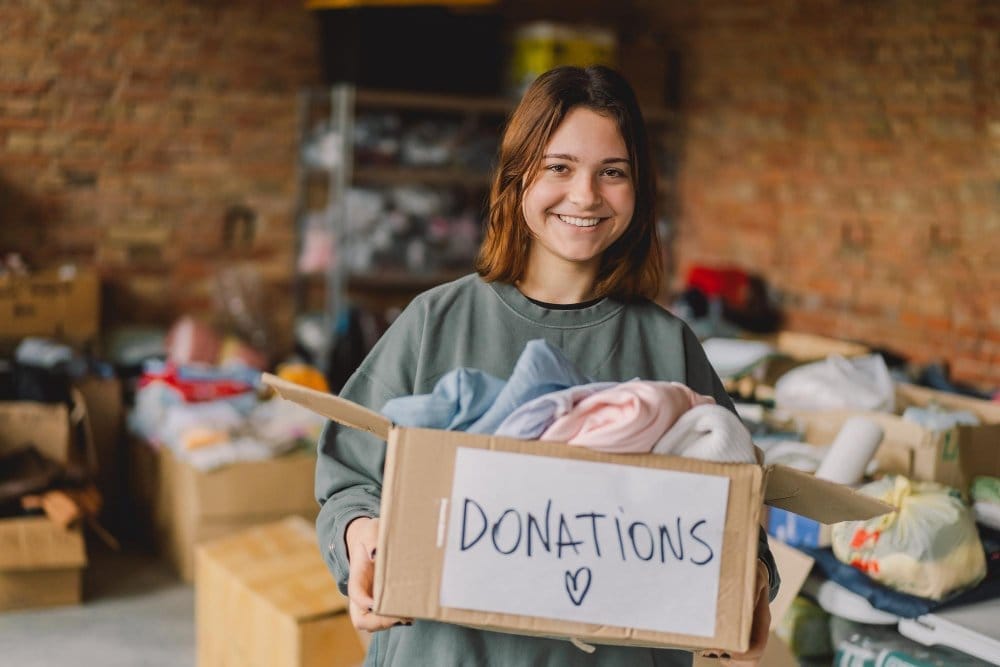 Donations provide affordable options for families in need
Not everything is worth selling. Sometimes donating makes more sense financially and emotionally.
When to Donate Instead of Sell
Donate If:
- Items are heavily worn or stained
- They’re budget brands in average condition
- You’ve already tried selling and got no interest
- Your time is worth more than potential $2-3 per item
- You want the tax deduction (if you itemize)
Where to Donate
National Chains:
- Goodwill: Accepts almost everything, provides tax receipts
- Salvation Army: Similar to Goodwill, military family focus
- Dress for Success (some locations accept kids’ clothes)
Local Options:
- Women’s shelters (often need children’s clothing)
- Churches and religious organizations
- Schools (some have clothing closets for families in need)
- Homeless shelters
- Foster care organizations
Specialized Programs:
- Baby2Baby: Provides essentials to children in poverty (US-based)
- Newborns in Need: Focuses on premature and sick babies
- Little Dresses for Africa: Accepts dresses for girls internationally
Environmental Impact
According to the EPA, Americans throw away about 16 million tons of textiles annually. Children’s clothing contributes significantly because kids outgrow clothes so fast.
By donating rather than trashing:
- You prevent 8-12 pounds of textiles from landfills per donation bag
- Reduce methane emissions from decomposing fabrics
- Support families who need affordable clothing
- Enable textile recycling when items are too worn to wear
Alternatives to Selling Old Toddler Clothes
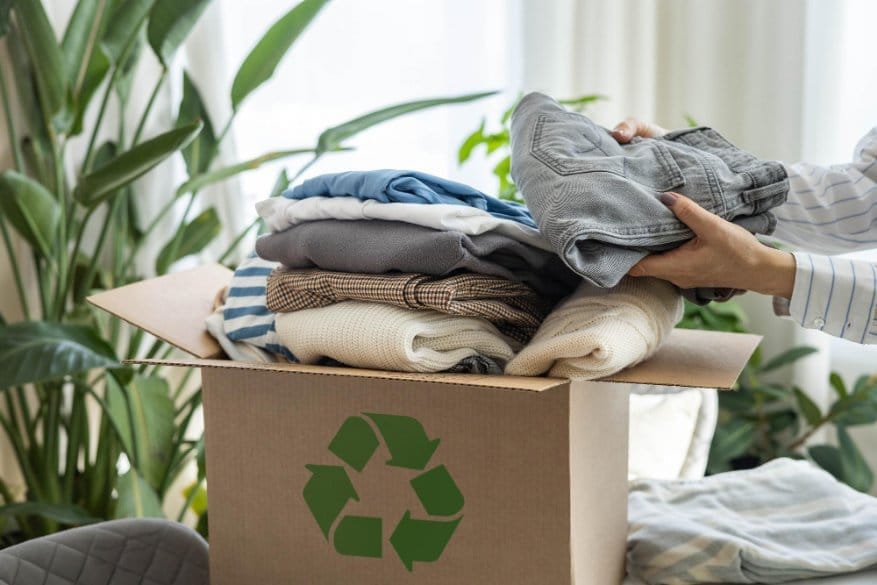 Recycling or repurposing is a practical option when resale is not ideal
Selling isn’t the only option. Sometimes creativity or reusing baby clothes makes more sense. For more ideas, see our complete guide on what to do with old toddler clothes.
Upcycling and Repurposing
Turn outgrown clothes into something new:
- Memory quilts: Cut squares from favorite outfits, sew into a quilt
- Cleaning rags: Old t-shirts make excellent cleaning cloths
- Doll clothes: Toddler dresses can become doll outfits with simple alterations
- Stuffed animal clothing: Pants legs become sleeping bags for stuffed animals
- Bibs and burp cloths: Cut and hem soft shirts into baby items
- Hair accessories: Turn stretchy fabric into headbands
Clothing Recycling Programs
When clothes are too worn to donate, textile recycling keeps them out of landfills:
H&M Garment Collecting: Drop off any brand, any condition. They recycle or repurpose fibers. You get a store discount coupon.
North Face Clothes the Loop: Accepts any brand of clothing for recycling at North Face stores.
Patagonia Worn Wear: Takes back Patagonia items for repair, resale, or recycling.
Municipal Textile Bins: Many cities have textile recycling bins at recycling centers or in neighborhoods.
The Environmental Impact of Reselling Toddler Clothes
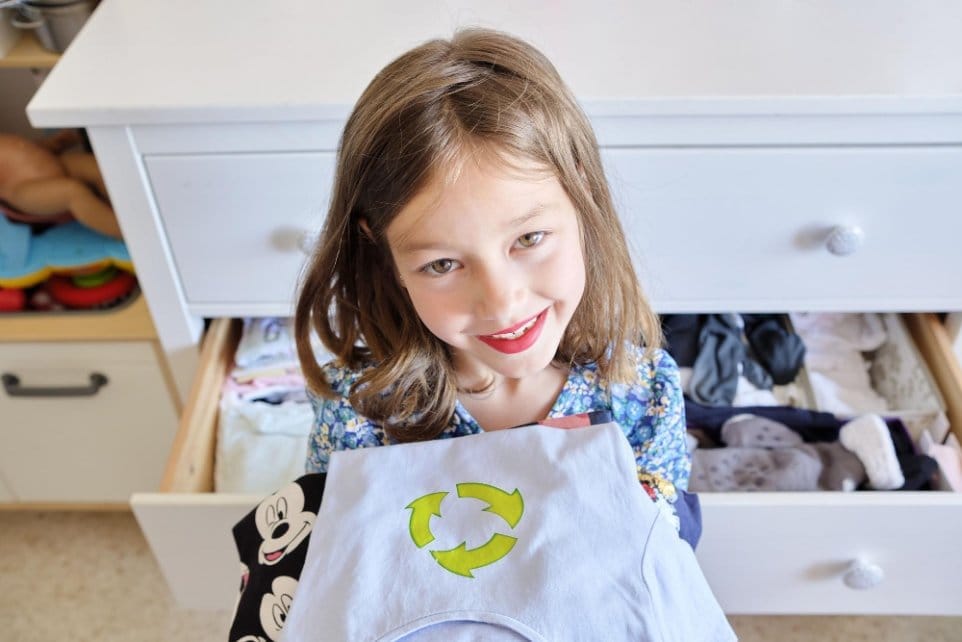 Reselling extends garment life and supports eco-friendly habits
Selling used toddler clothes isn’t just about money. You’re participating in a movement that significantly benefits the environment.
Reducing Textile Waste
The fashion industry produces enormous waste. Each year:
- 17 million tons of textile waste in the US alone (EPA data)
- 85% of textiles end up in landfills
- Average American throws away 81 pounds of clothing annually
- Children’s clothing contributes significantly due to rapid outgrowing
By reselling just one bag of toddler clothes (8-12 pounds), you prevent that weight from entering landfills. Multiply that by the millions of parents doing this, and the impact is substantial.
Resource Conservation
Water Savings: Producing one cotton t-shirt requires approximately 713 gallons of water. By extending clothing life through resale, you reduce demand for new production.
Energy Savings: Manufacturing, transportation, and retail operations consume massive energy. Each resold item represents energy not spent on producing a new one.
Raw Materials: Less demand for new clothes means fewer resources extracted from the environment (cotton farming, petroleum for synthetic fabrics).
Carbon Footprint Reduction
The fashion industry accounts for about 10% of global carbon emissions. Extending clothing life by just nine months reduces carbon, water, and waste footprints by 20-30%.
When you sell your toddler’s outgrown winter coat instead of buying a new one for another family, you’re directly reducing:
- Manufacturing emissions
- Transportation emissions (shipping from factories)
- Retail operations emissions
- Packaging waste
Your 7-Day Quick Start Action Plan
Ready to start? Here’s your week-by-week guide to selling your first batch of toddler clothes.
Pull out all outgrown clothes. Sort into three piles: sell (good condition, name brands), donate (worn but usable), trash (stained, damaged).
Based on what you have, choose 1-2 platforms. Premium brands? Try Kidizen. Lots of basics? Facebook Marketplace. Want convenience? Once Upon a Child.
Wash and fold/hang items. Set up your photo area. Photograph everything in one session (saves time). Include tag photos for branded items.
Write descriptions, upload photos, set prices. Start with your best items to build momentum and confidence.
Share listings in relevant groups. Respond promptly to questions. Lower prices slightly if no interest after 3-4 days.
Quick Start Checklist
Frequently Asked Questions
What should I do if a buyer claims an item arrived damaged?
First, ask for photos of the damage. If you photographed items before packing (recommended), compare photos. Most platforms have dispute resolution processes. If selling independently and the buyer provides photo evidence of damage you didn’t disclose, offering a partial refund maintains good will. If you believe it’s buyer fraud, platform protection policies usually side with sellers who have documentation.
How should I handle returns?
For platform sales, follow their return policies. For independent sales, clearly state your return policy in listings. Many sellers use “all sales final” for used children’s clothing since it’s accurately described and photographed. If you do accept returns, specify who pays return shipping and within what timeframe (typically 3-7 days).
What’s the best way to price items with minor flaws?
Disclose all flaws clearly with photos and descriptions. Price items with minor flaws at least 20-30% below similar flawless items. For example, if a dress in perfect condition sells for $20, price one with a small stain at $12-14. Sometimes bundling slightly flawed items with perfect ones helps move inventory while maintaining value.
Is it worth selling very worn everyday brands?
Generally no. Heavily worn basic items from budget brands aren’t worth listing individually. The time investment exceeds potential profit. Consider bundling them as “play clothes lots” for $10-15, or donate them instead. Your time is better spent photographing and listing premium or mid-tier brands.
How long does it typically take to sell kids’ clothes online?
Timing varies widely by platform, season, and brand. Facebook Marketplace local sales can happen same-day. Premium brands on Poshmark or eBay might sell within 3-7 days. Average items on these platforms typically take 2-4 weeks. Items listed at wrong season or overpriced might sit for months. If nothing sells after two weeks, lower prices by 15-20%.
Should I wash clothes before selling them?
Absolutely yes. Clean clothes photograph better, smell fresh, and show respect for buyers. Items pulled from storage should always be washed before photographing and selling. Consignment shops often reject items that smell musty or aren’t freshly laundered. Clean clothes also allow you to check for stains you might have forgotten about.
For more detailed care guidance, check out our guide to washing baby clothes.
Do I need a business license to sell used kids’ clothes?
For casual selling of your own kids’ outgrown clothes, no. You’re decluttering personal items, not running a business. If you start buying clothes specifically to resell (thrift store flipping), or if this becomes a significant income source, you may need to check local business license requirements. Consult your city or county clerk’s office if you’re selling regularly and making substantial income.
What’s the difference between consignment and selling outright?
Consignment means the shop keeps your items and pays you after they sell (typically 30-50% of sale price). You wait for payment, but items are priced higher. Selling outright (like Once Upon a Child) means they buy your items immediately for cash (typically 30-40% of their planned selling price). You get instant payment but less money per item. Consignment rewards patience, outright rewards speed.
Conclusion
That pile of outgrown toddler clothes in your closet represents more than clutter. It’s cash potential, environmental impact, and community support all wrapped up in tiny t-shirts and jeans.
Whether you’re motivated by money, sustainability, or simply need the storage space, you now have a complete roadmap to turn those clothes into value.
Key Takeaways
On Platforms: Choose based on your priorities. Need cash today? Facebook Marketplace. Want maximum profit? Poshmark or eBay for premium brands. Prefer convenience over profit? ThredUp or Once Upon a Child. Want to reach the most buyers? Use cross-listing apps to appear on multiple platforms simultaneously.
On Brands: Premium brands (Mini Boden, Hanna Andersson, Tea Collection) can sell for 50-70% of retail in excellent condition. Mid-tier brands (Carter’s, Gap) work best in bundles. Budget brands are usually better donated unless new with tags.
On Timing: Season matters enormously. List items 6-8 weeks before the season when people actually wear them. Winter coats in October, swimwear in March, back-to-school clothes in July.
On Earnings: Realistic seasonal cleanout earnings range from $25-50 for budget brands, $75-150 for mid-tier brands, and $150-300+ for premium brands. Parents who sell strategically and consistently can recover 40-60% of their original clothing investment.
On Taxes: If you’re selling your own kids’ clothes for less than you paid (which most parents are), you’re not making profit and don’t owe taxes. Keep basic records showing what you paid vs. what you sold for. The $600 1099-K reporting threshold is just paperwork, not an automatic tax bill.
On Time Investment: Expect to spend 1-2 hours per 10 items (sorting, photographing, listing) if selling online. Local consignment shops reduce this to about 30 minutes but pay less. Cross-listing apps can cut online time by 50% once you’re set up.
On Safety: Use platform payment systems, meet locally in public places, photograph items before packing, keep communication on platform, and trust your instincts about suspicious buyers.
Final Recommendations
Start Small: Don’t overwhelm yourself trying to list 50 items at once. Start with your 10 best pieces. Build confidence and systems before scaling up.
Be Seasonal: Store clothes by season in labeled bins. When listing time comes, you’re ready instead of scrambling.
Mix Strategies: Sell premium pieces individually on Kidizen, bundle mid-tier on Facebook Marketplace, take budget items to Once Upon a Child for instant cash.
Stay Organized: Keep a simple spreadsheet or use your platform’s sales reports to track what sells, what doesn’t, and at what prices. This data helps you make smarter decisions next season.
Remember the Why: Whether you’re saving money for your family, reducing environmental impact, or helping another family afford quality clothes, you’re making a positive difference. Every item you sell is one less in a landfill and one more child wearing something they need.
Your child may have outgrown those clothes, but their usefulness hasn’t ended. Someone else’s toddler will create new memories in that dinosaur shirt or purple dress. And you’ll have a little extra cash, a cleaner closet, and the satisfaction of knowing you’re participating in a more sustainable way to raise kids.
Now stop reading and start sorting. Those clothes won’t sell themselves.